Abishai Corey – 2nd Fastest Downhill Skier in North America
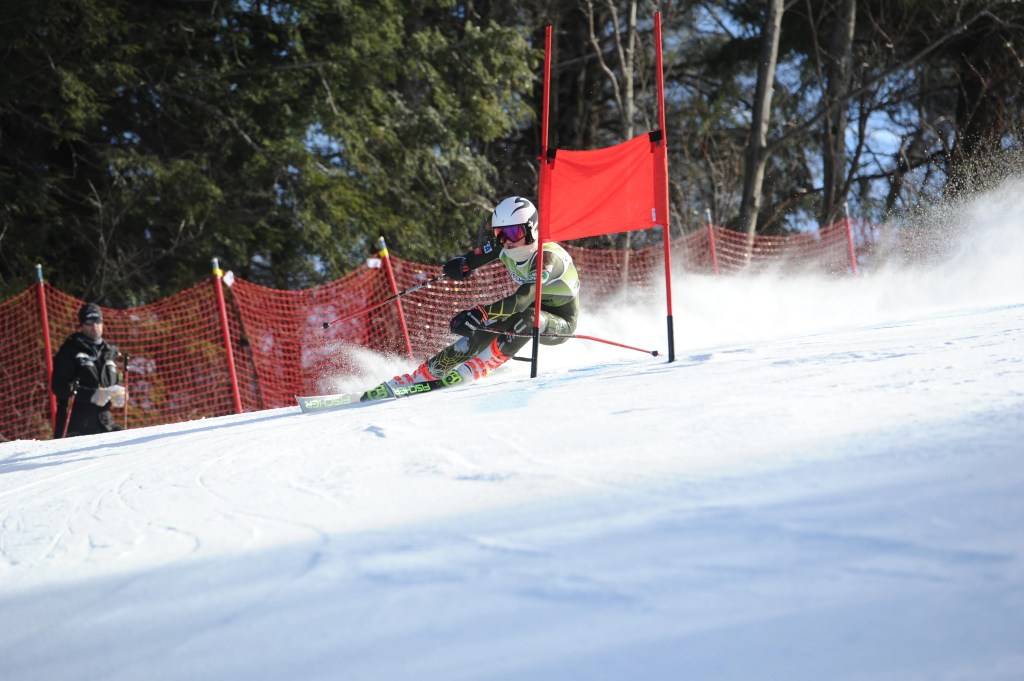
Getting into the Sport of Ski Racing
Abishai began skiing at the age of two but officially joined a race team at age seven, influenced by her elementary school’s PE teacher. Her transition into competitive skiing was marked by an early introduction to the challenges and rigors of the sport. Initially, her parents enforced her commitment, requiring her to stick with racing at least until her second year in U14, a decision that she later embraced wholeheartedly. Her narrative reflects a journey of growth and passion, sparked by early exposure and solidified through personal choice, despite the inherent challenges of early morning cold sessions and the rigorous demands of the sport. This love for competition, nurtured from a young age, set the stage for her dedication and commitment, seeing her transition from local slopes to more competitive environments.
Psychological Approach to Ski Racing
Mentally, Abishai treats ski racing with as much respect as she does physically. She emphasizes the importance of routine to manage the psychological pressures of racing, incorporating music, coloring, and puzzles into her pre-race preparations to maintain mental energy and focus. This routine helps her avoid negative spirals and manage the high stakes of competitive racing. By accepting the potential of defeat before a race, she finds she can reduce anxiety and improve performance, focusing on the process rather than the pressure of results. This mental strategy is crucial, as it allows her to stay calm and centered, enhancing her ability to perform under pressure.
Physical Routine and Preparation: Importance of a Routine
Abishai’s physical routine is meticulously structured, emphasizing consistent routines in diet, warm-ups, and course inspections. Her typical training day begins early, involving rigorous on-snow sessions followed by schoolwork, with evenings dedicated to ski tuning, homework, and preparation for the next day. This rigorous schedule is a testament to her dedication and discipline, factors that are vital to her success in ski racing. She balances this demanding routine with strategic recovery practices, including yoga and stretching, which are essential for maintaining her physical condition and ensuring consistent performance. Her commitment extends beyond the slopes, as evidenced by her entrepreneurial efforts to fund her racing through starting a lawn mowing business at a young age, showcasing her resourcefulness and determination.
Key Takeaways from Abishai’s Interview: Athlete Lifestyle Balance
Abishai’s journey is rich with insights that extend beyond typical athletic advice, illustrating the importance of community, resourcefulness, and a deep-seated love for one’s sport. Firstly, her entrepreneurial spirit stands out, as she began a lawn mowing business at age eight to fund her skiing, demonstrating an early understanding of the value of self-reliance and hard work. This initiative not only supported her financially but also instilled a strong work ethic that transcends skiing. Moreover, Abishai highlights the significance of having supportive teammates and coaches, particularly when facing new challenges and environments. Her move to Waterville Valley Academy brought new dynamics that tested her adaptability and resilience, teaching her the value of staying open to change and learning from new experiences.
Her emphasis on the mental aspect of preparation, particularly her unique methods such as coloring and doing puzzles, provides a fresh perspective on managing stress and maintaining focus before races. These activities, unconventional in the athletic world, underscore the importance of finding personal coping mechanisms that work uniquely for each individual. Abishai also touches on the emotional challenges of the sport, discussing how dealing with expectations and setbacks has shaped her character and mental resilience. Her approach to racing, where she pre-emptively accepts all possible outcomes, reflects a mature perspective on competition and personal growth.
In addition, her commitment to community and giving back, as seen in her involvement with church activities and her desire to inspire younger athletes, showcases her holistic approach to life and sport. She sees her athletic career as part of a larger picture—one that includes mentoring others and contributing to her community. Lastly, Abishai’s story is a powerful reminder of the importance of passion and perseverance. She advises young athletes to fall in love with the process of their sport, not just the outcomes, and to keep pushing through adversity, underscoring the idea that long-term commitment can lead to unexpected opportunities and successes.
 AthleteBodyMind.com