Cabot McLaren – UNH Men’s Soccer Player and New England Private School Council Player of the Year
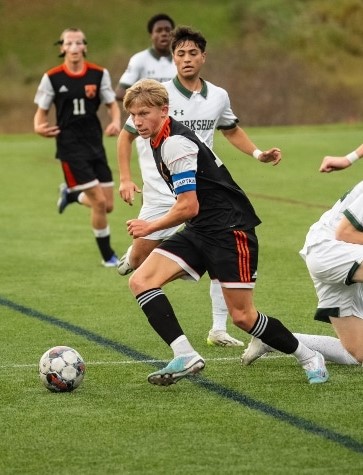
Getting into the Sport: Family Influence
Cabot McLaren’s journey into soccer began practically at birth, influenced heavily by his father’s passion for the game. Cabot’s first word was “ball,” symbolizing his early connection to soccer. His father, who played college soccer and later semi-pro, passed on his love for the sport to Cabot. From a young age, Cabot was surrounded by soccer, and his father introduced him to club soccer tryouts in second grade. While living in Hanover, New Hampshire, Cabot joined Lightning Soccer, which significantly accelerated his development. This early exposure to competitive soccer paved the way for his involvement with Seacoast United, a regional club known for its rigorous training and high standards. Overcoming initial insecurities, Cabot developed his skills and gained invaluable experience, which led him to Kibble Union Academy (KUA) for high school. The athletic director at KUA, who had previously coached Cabot, played a pivotal role in bringing him to the academy. Despite the challenges posed by COVID-19, Cabot utilized the time to train extensively, setting a strong foundation for his high school career. His hard work culminated in winning the championship in his senior year, showcasing the culmination of years of dedication and perseverance.
Psychological Approach: Confidence From Training
Cabot’s mental strategies for soccer are grounded in preparation and confidence-building. He believes that rigorous off-season training alleviates the stress and pressure of in-game performance. “I’ve always thought that if I push myself and work as hard as I can throughout the summer in my off time, then I shouldn’t have the stress and pressure,” Cabot explained. His superstitious nature further reinforces his mental readiness. Cabot adheres to a strict pre-game routine, which includes foam rolling and stretching, performed in a specific order. This consistent routine helps him get into the right mindset for games. Additionally, he watches highlight reels on TikTok to boost his confidence and finds quiet time to relax and mentally prepare. Cabot emphasizes the importance of forgetting mistakes and focusing on future opportunities, a mindset that helps him maintain consistency and confidence on the field. He believes that smiling and laughing off mistakes during games helps him stay positive and focused, reminding himself of his love for the game.
Physical Routine & Preparation: Caring for the Body
Cabot’s physical preparation for soccer is comprehensive, encompassing rigorous training and meticulous recovery routines. During the high school soccer season, his schedule includes five days of training, with games on Wednesdays and Saturdays. This demanding routine requires careful body management and treatment to maintain peak physical condition. “I think that helps mentally if you know that you’ve taken care of your body enough, then you can feel comfortable going into those games,” Cabot noted. In the spring season with Seacoast United, his training becomes more personalized, with three days of practice and weekend games. This schedule allows for additional gym sessions focused on speed and upper body strength. Cabot’s training regimen includes goal-scoring drills and shooting practice to enhance his comfort in front of the net. Recovery is a crucial part of his routine, involving foam rolling, stretching, and occasional upper body workouts. Balancing academic commitments with his athletic training requires discipline, but Cabot’s love for soccer drives him to maximize his performance both on and off the field.
Key Takeaways: Staying Positive and Learning from Mistakes
From Cabot McLaren’s interview, several unique insights emerge that highlight his approach to soccer and personal development. One notable aspect is his emphasis on maintaining a positive mindset, even after making mistakes. Cabot’s ability to laugh off errors and stay focused on the game showcases his mental resilience and maturity. His commitment to putting the team first, making sacrifices for the greater good, and clear communication reflects his strong leadership qualities. Cabot’s admiration for his Serbian coach, who encouraged attacking freedom and creativity, significantly influenced his playing style, allowing him to explore different spaces on the field and play with more confidence. Additionally, Cabot’s experience with ski racing provided a contrasting perspective on mental preparation, highlighting the different challenges and mindsets required for individual versus team sports. His dedication to soccer is further evidenced by his willingness to stay after practice, not just to work hard, but because he genuinely enjoys playing the game. This intrinsic love for soccer, combined with his disciplined training regimen and positive outlook, sets Cabot apart and offers valuable lessons for aspiring athletes.
 AthleteBodyMind.com