Coach Matt Golden – Former Quarterback at Bates College, Current Head Varsity Football Coach at Roxbury Latin School
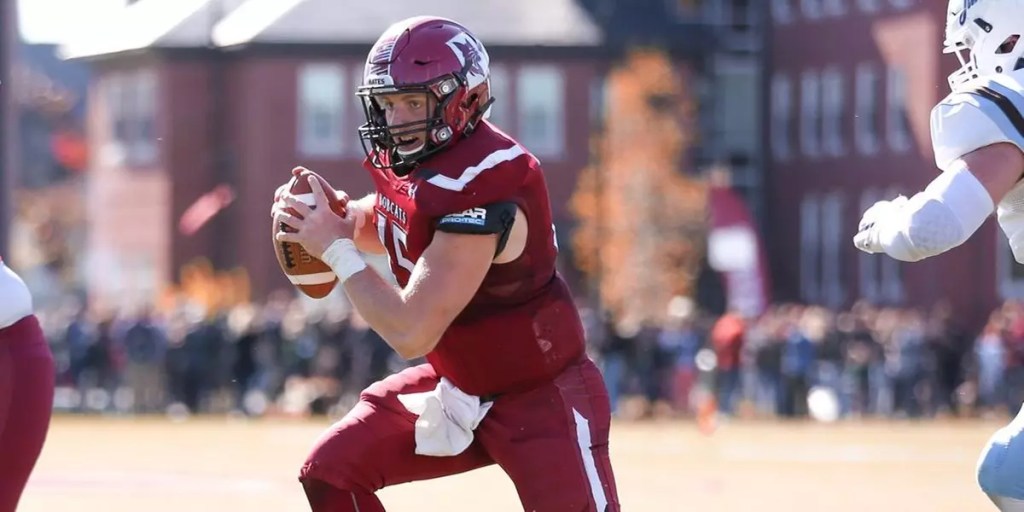
Getting into the Sport of Football
Coach Golden’s journey into sports began at an early age, heavily influenced by his father, who was a high school coach for football and basketball. Growing up on the sidelines, he learned the intricacies of the game and the importance of moving past mistakes quickly. This environment instilled in him a natural affinity for sports, where he observed how his father managed teams and handled the pressures of coaching. Early experiences in playing multiple sports, including football, basketball, and baseball, provided a well-rounded foundation. He recalls running laps around various fields before games as a way to clear his mind and prepare mentally. This ritual, coupled with team bonding activities like stretching and talking together, solidified his commitment to sports. His initial commitment was fueled by the joy of playing and the camaraderie with teammates, which became more structured as he progressed through high school and beyond.
Psychological Outlooks and Preparation as an Athlete
As an athlete, Coach Golden didn’t engage in specific mental drills initially, but he quickly learned the value of mental preparation through visualization and controlling emotions. This approach was reinforced by his father’s coaching philosophy of focusing on the next play and not dwelling on past mistakes. Before games, he engages in a workout to manage nervous energy, a habit that has persisted into his coaching career. This routine includes physical activities, listening to music, and reflecting on the game plan to maintain focus. Practices are a mix of lightheartedness and serious preparation, ensuring the athletes enjoy the sport while staying focused during critical moments. To avoid panic in pressure situations, Coach Golden puts his team into all different kinds of pressure situations in practice, and they have a pre-planned play that they rehearse regularly to become comfortable operating in a high-stakes environment. This repetition in game-like scenarios allows his team to better manage their stress when they approach crunch-time in the game. Visualization plays a significant role, where athletes are encouraged to mentally rehearse their plays. This technique, coupled with meditation and deep breathing exercises, helps them manage stress and maintain a clear mind. His approach emphasizes a balance between hard work and enjoyment, making sure the team stays united and motivated.
Approach to Coaching Football
Coach Golden’s coaching philosophy is deeply rooted in his experiences as an athlete and the lessons learned from his father. He believes in setting a positive tone and maintaining emotional control, often describing himself as the “thermostat” rather than the “thermometer.” This means setting the emotional climate rather than reacting to it. He encourages his players to visualize their successes before games, reinforcing the idea that mental preparation is as crucial as physical readiness. His practices are structured yet enjoyable, promoting hard work while fostering a sense of fun and camaraderie. He uses techniques like awarding helmet stickers to recognize players’ contributions beyond the stat sheet, emphasizing teamwork and effort. His honesty and realistic expectations set a clear standard for his players, ensuring they understand the value of hard work and proper representation. He incorporates emotion as a tool, guiding players to channel their energy positively during games and handling pressure situations with a calm, prepared mindset.
Key Takeaways: Building Relationships with the Players
From the interview with Coach Golden, several unique insights emerge that go beyond traditional coaching methods. His emphasis on community involvement and the importance of building relationships within the team stands out. He believes in creating a supportive environment where athletes can thrive both on and off the field. His approach to handling setbacks involves clear communication and seeking advice from trusted individuals, demonstrating the value of humility and openness. He stresses the importance of being realistic yet positive, encouraging athletes to appreciate the opportunity to play sports and to bring their teammates along in their journey. His reflection on the broader impact of sports on personal development and the significance of enjoying the process is a valuable lesson for aspiring athletes. This holistic view of coaching and playing sports, where mental, emotional, and physical aspects are intertwined, provides a comprehensive approach to achieving success and fulfillment in athletics.
 AthleteBodyMind.com