Cole Oberg – Brown University Men’s Tennis Player and New England Private School Athletic Council MVP
Getting into the Sport: Early Beginnings and Initial Challenges
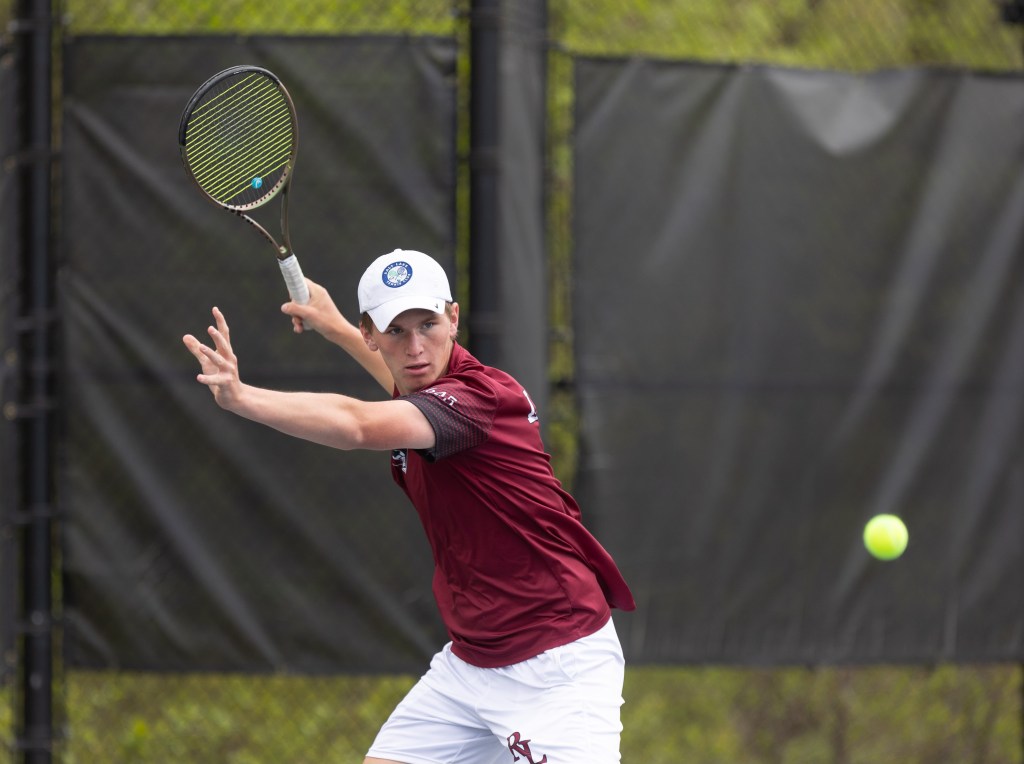
Cole Oberg’s journey into tennis began at a young age, influenced significantly by his family. His mother, a former college tennis player, and his older brothers, who also played the sport, naturally drew him towards tennis. “I started when I was young… it’s been fun… it’s been a challenge,” Cole reminisced. He began playing tennis around the age of three or four, participating in local tournaments and gradually climbing the junior rankings. By eighth grade, he was highly ranked within his class, placing in the top 25 to 30 players. However, a significant knee injury during the winter of his eighth-grade year set him back for six months. This period away from the sport was challenging, both mentally and physically, but it also fueled his determination to return stronger. Despite the setback, Cole’s passion for tennis remained undeterred, and he continues to work towards his goal of playing college tennis. His journey is a testament to resilience and the influence of a supportive family environment in fostering athletic development.
Psychological Approach: Finding Comfort in Solitude
Cole’s approach to the mental aspect of tennis highlights the solitary nature of the sport and the necessity for self-motivation. He contrasts this with his experience in hockey, a team sport where collective effort and support play crucial roles. “In tennis… you win and lose on your own… it can be very isolating at times,” Cole explained. In hockey, teammates and coaches can provide immediate support and motivation, helping players stay focused and uplifted. In tennis, however, Cole has to rely entirely on himself during matches. This self-reliance requires him to develop strong mental fortitude, learning to fight through bad days and maintain a positive mindset. Cole emphasizes the importance of mental training, which is embedded in every practice session. By playing numerous matches and focusing on strategic decision-making, he strengthens his ability to handle pressure and make the right choices during critical moments. This mental toughness, developed through experience and self-reflection, is a cornerstone of Cole’s approach to tennis.
Physical Routine & Preparation
Cole’s physical preparation for tennis is comprehensive, incorporating both technical and strategic elements. His training sessions are designed to simulate match conditions, focusing on tactical decision-making and execution. “I train a lot in… match play almost… it’s just a little bit strategy and the way I want to play,” Cole noted. He prioritizes honing his strengths, such as his serve and forehand, to minimize reliance on his weaknesses. This approach allows him to dictate play and avoid situations where his weaker skills might be exposed. In addition to on-court training, Cole emphasizes the importance of physical conditioning and recovery. Leading up to a tournament, he focuses on getting ample sleep, front-loading his academic responsibilities, and tapering his physical training to ensure he is well-rested and strong. His diet also plays a crucial role, particularly during the summer, when maintaining energy levels is vital. Cole aims to eat clean, avoid junk food, and ensure he feels light and fast on the court. This holistic approach to training and preparation underscores his commitment to optimizing his performance.
Key Takeaways: Community Influence and Personal Growth
Several unique insights emerge from Cole Oberg’s interview, highlighting his resilience, strategic mindset, and dedication to improvement. One of the most significant aspects is how his knee injury became a turning point, deepening his appreciation for tennis and motivating him to work harder. “Every time you get to step on the court it’s like a privilege because that got taken away from me,” Cole reflected, illustrating how overcoming adversity has strengthened his mental and emotional connection to the sport. His leadership philosophy, which involves understanding and motivating each teammate individually, showcases his emotional intelligence and ability to foster a supportive team environment. Cole’s admiration for tennis legends like Roger Federer and Rafael Nadal also influences his approach, combining Federer’s effortless style and composure with Nadal’s intense work ethic. Finally, Cole’s advice to his younger self emphasizes the importance of balancing hard work with enjoyment, recognizing that while the journey may be challenging, the rewards are well worth the effort. His story offers valuable lessons in resilience, strategic thinking, and the power of a positive mindset in achieving athletic success.
 AthleteBodyMind.com