Adam Kuechler – University of Pennsylvania Men’s Soccer Player
Getting into the Sport: Early Beginnings and Initial Challenges
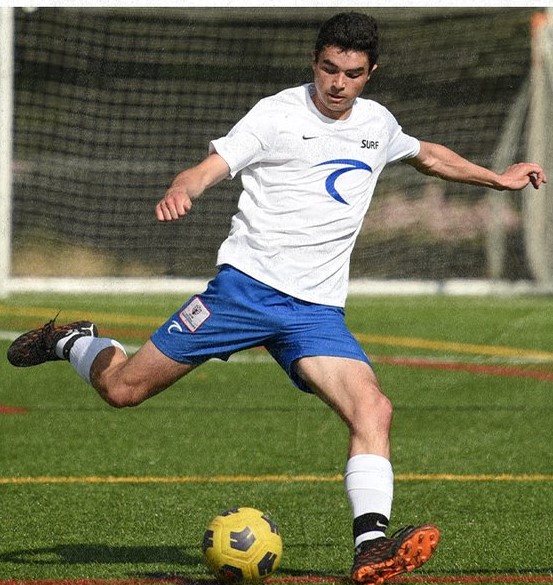
Adam Kuechler’s soccer journey began with casual kicks in kindergarten, evolving into organized town soccer and club teams by third grade. He describes his early athleticism as a defining factor, but his true commitment to soccer solidified only towards the end of ninth grade. Following injuries that sidelined him temporarily, he began intensive training that marked a serious turn in his athletic career. By high school, he had moved from being a rotational player to a standout forward, spurred by increased dedication and a realization of his potential. Adam’s breakthrough came when he caught the attention of college scouts at the Jefferson Cup, leading to a pivotal trial at a Penn camp where he showcased his skills effectively. Despite initial doubts expressed by coaches from other universities, his performance at the Penn camp affirmed his readiness for Division 1 soccer. This period of transition was not just about physical growth but also about understanding the importance of perseverance and self-belief. His journey from playful competition with his brother to serious club play laid a strong foundation for his collegiate ambitions.
Psychological Approach: Building Mental Fortitude
Throughout his soccer career, Adam has emphasized the importance of mental preparation alongside physical training. He finds unique solace in pre-game silence, a stark contrast to his peers who prefer the energizing buzz of music. This quietude aids him in practicing mindfulness and deep breathing exercises, crucial for maintaining focus. Regular meditation, particularly during the season, has become a cornerstone of his routine, enhancing his mental resilience and ability to handle in-game pressures. Visualization techniques also play a critical role, where he mentally rehearses game scenarios to improve decision-making and performance. Adam credits these mental strategies with helping him manage the overwhelming transition to college soccer, where the pace and physicality were initially daunting. By mentally simulating challenging game situations, he has been able to translate this preparation into effective on-field strategies. His commitment to mental training reflects a sophisticated understanding of the psychological demands of elite soccer.
Physical Routine & Preparation: Discipline in Training and Recovery
Adam’s daily training regimen is meticulously designed to maximize both technical skills and physical fitness. He integrates shooting, juggling, and agility drills into his sessions, always ensuring to use both feet to enhance his versatility. His approach avoids rigidity, promoting creativity in drills to prevent the formation of bad habits. Nutrition and adequate sleep are pillars of his physical regimen, crucial for recovery and maintaining peak performance. Despite challenges with college dining options, Adam is committed to finding nutritional balance, emphasizing the need for adequate caloric intake. His recovery process is equally rigorous, involving regular icing and physical therapy, especially for managing his recurring ankle injury. These practices not only prepare him for the physical demands of matches but also help in quick recovery after intense training sessions. Adam’s structured yet flexible training routine exemplifies the disciplined yet adaptive approach necessary for success in collegiate athletics.
Key Takeaways: Community Influence and Personal Growth
The insights gained from Adam Kuechler’s interview reveal the profound impact of community and personal growth on his athletic journey. He speaks highly of the support from teammates and coaches, which has been instrumental in his development both on and off the field. His experiences underscore the importance of adaptability and mental toughness, particularly in transitioning from high school to the more demanding college level. Adam also highlights the significance of mentorship in his career, especially from a Brazilian coach who helped him transition from defense to offense. This coach not only recognized Adam’s potential but also encouraged him to break out of predefined roles and explore his capabilities more fully. Additionally, Adam’s proactive approach to overcoming setbacks, such as injuries and initial performance slumps, showcases his resilience and determination. These reflections not only offer a glimpse into his personal and athletic development but also serve as valuable lessons for aspiring athletes.
 AthleteBodyMind.com