Lack of Confidence
Strategies From Psychologists
Strategies Given by the Psychologists of Olympic Medalists
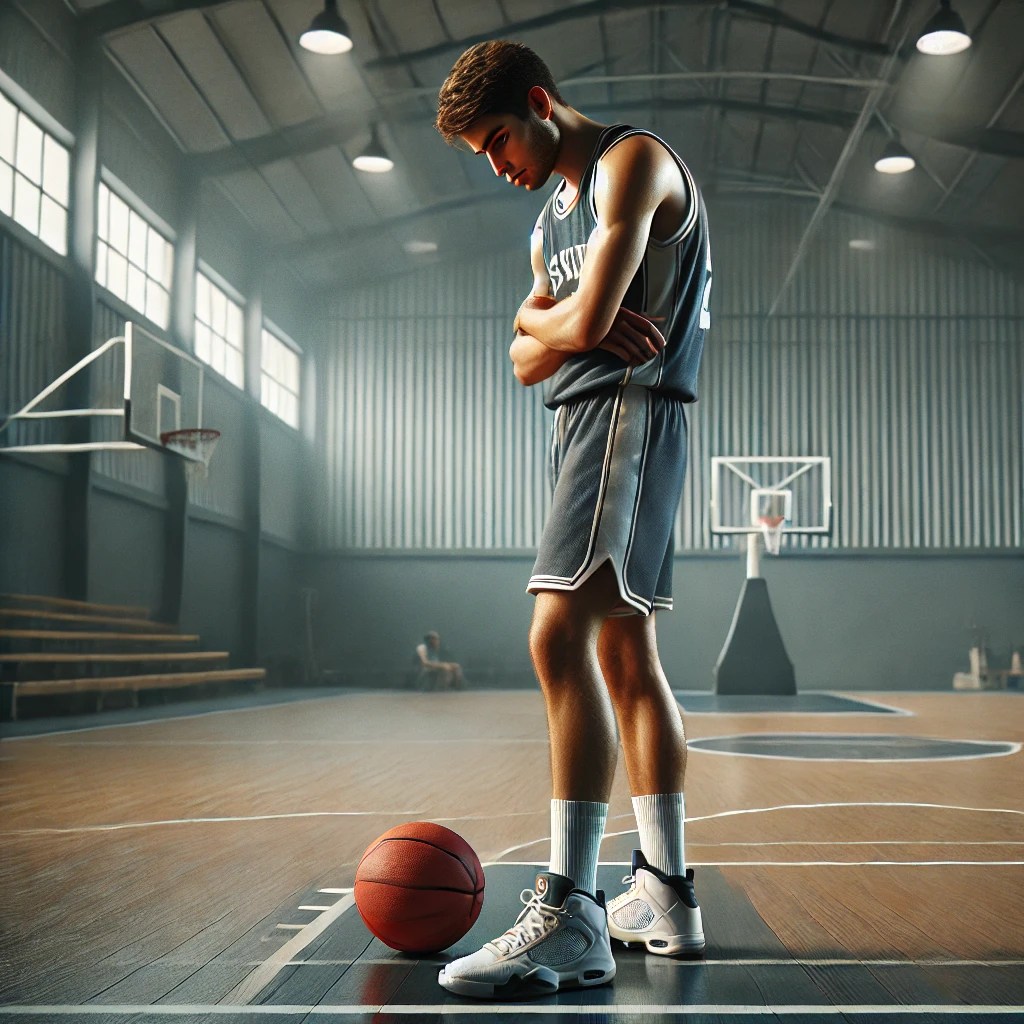
Confidence, as the psychologist explained, is often misunderstood as something that can only be regained through success. In fact, confidence should be the very opposite of that. It should be a belief in one’s range of abilities over the course of a career; one moment or snippet of that career should not have a severe impact on an athlete’s confidence. To achieve this mindset, each athlete must first figure out what the things are that make them confident about themselves. Psychologists task each of their athletes with writing down a list of all the athletic features, strengths, and achievements that make them feel confident. They refer back to this list before and after each training session and competition. It’s only a simple mental switch, but perceiving confidence as something that is affected by ability and not performance will improve an athlete’s ability to consistently feel certain in themselves. Psychologists recommended that to preserve confidence, athletes must practice affirming their skills and past successes regularly, particularly during moments of doubt. Reflecting on previous successes refreshes the memory when it comes to an athlete’s ability, and doing so often builds up a wall of confidence that even a poor performance cannot break.
Psychologists also introduced the concept of “acting confident” even when one does not feel it. By behaving confidently—through body language, decision-making, and verbal affirmations—athletes can often influence their own mental state, leading to genuine feelings of confidence over time. “Acting” confident in this manner stimulates the hormones in the human body that are actually meant to fuel your confidence, so impersonating confidence leads to actual confidence. There are many ways to do this; from walking with your shoulders back and your chin up, to beating your chest in front of a mirror, to intentionally taking up a lot of space in a small room.
Lastly, the psychologists stated that each athlete should come up with their own motivational phrase that they truly believe in. Whether it is “I am the best one here,” or “I cannot miss,” repeating a short phrase to oneself often has proven to work wonders for some of the best athletes in the world. Pairing this act with deep breathing becomes a deadly weapon that can be especially useful in pressure situations. An example could be before a crucial free-throw in basketball; after taking 15 seconds to focus on your breathing while repeating an affirmative phrase over and over again, you drastically increase your probability of making the shot. This is due to the power of affirmative self-talk, especially when coupled with concentrated deep breathing.
Advice From Athletes
Examples of Strategies Used by Select Athletes
Cabot McLaren (Soccer) – One of the foundational elements of Cabot’s confidence is his belief in preparation. He emphasizes the importance of pushing himself hard in training, particularly during the offseason, to reduce the stress and pressure during games. According to Cabot, “If I push myself…then I shouldn’t have the stress and pressure.” This belief in the hard work he puts in allows him to step onto the field knowing that he’s done everything he can to be ready, which naturally boosts his confidence. Cabot is also highly superstitious, following a strict routine before games that includes foam rolling, stretching, and watching soccer highlights. This routine is not just about physical preparation; it’s a mental strategy that helps him feel ready and confident. Watching highlight reels, particularly those that showcase great plays, serves as a confidence booster for him. “Watching a lot of highlights, scrolling on TikTok and seeing all those edits is a good thing for the confidence before games,” Cabot explains. This practice helps him visualize success, setting a positive tone before he steps onto the field. When facing slumps or periods of bad form, Cabot relies on his trust in the process and the work he has put in over time. For younger athletes looking to build and maintain their confidence, Cabot’s advice is simple yet profound: keep enjoying the game and celebrate every positive moment. “Just keep enjoying it…take in every success that you have,” he encourages, emphasizing the importance of celebrating small victories along the way. Cabot’s approach to maintaining high confidence in sports is a combination of diligent preparation, mental resilience, a forward-focused mindset, and a genuine love for the game.
Madeline Egan (Lacrosse) – Similar to Cabot, Madeline’s confidence is rooted in her training habits. Her training sessions are designed to bolster her confidence by focusing on her strengths, not just areas for improvement. For instance, being left-handed, she dedicates plenty of time to strengthening her right hand to ensure she remains a versatile player, but at the end of every practice session, she does a few lefty reps at game speed to show her mind that she has a weapon that can work for her no matter what. This approach not only enhances her skills but also builds her confidence by reinforcing her ability to perform under pressure, knowing that she has thoroughly prepared and has an X factor (her left hand), in the event that nothing else is working for her. Additionally, Madeline adopts a proactive approach to correcting the errors from her games by using practices to repeatedly drill the moments where she faltered until they become muscle memory. By repeating mistakes until she has perfected them, she ensures that they do not linger in her mind during games, and she shows her mind that she can overcome any mishap. Madeline’s pre-game routine is another critical aspect of how she maintains her confidence: she uses music to focus and elevate her mood throughout the day, ensuring that she remains mentally engaged with the upcoming game. Unlike some athletes who might distract themselves from the pressure, Madeline prefers to confront it, thinking about the game as much as possible and visualizing her performance. This mental imagery, combined with her habit of walking around the field to visualize the opponent and potential game scenarios, helps Madeline stay calm and focused. By rehearsing her performance in her mind, she builds a sense of readiness and confidence that carries over into the game.
Educational Takeaways:
For almost every athlete, their confidence comes from their preparation. The more repetitions that they can complete in areas that they feel weak, the more assured they will feel in their ability to execute in those areas during the game. At the same time, drilling strengths in one’s game is also crucial because it shows the mind that the athlete has a weapon that can be relied in even if all else goes wrong.
Additionally, approaching the sport with a smile is a great way to avoid letting mistakes affect confidence levels; laughing off a mistake is always going to be better for one’s confidence levels than dwelling on it and sulking. Likewise, good moments should be celebrated and recognized. To compensate for the mind’s tendency to often remember the bad moments more than the good ones, acknowledging and reminiscing on even the smallest wins can help an athlete boost their confidence levels, even during moments of adversity.
Advice From Coaches
Insights From Former Athletes Who Are Current Coaches
Coach Arturo Solis (Soccer) – One of the cornerstones of Coach Solis’s confidence strategy is the use of visualization. As an athlete, he practiced visualizing game situations and outcomes in a positive light. Before home games, he would spend time on the soccer field, running through patterns he intended to execute during the match. This practice of visualizing the best possible outcomes allowed him to enter games with a sense of familiarity and confidence. “I’d be on the soccer field…just running through the patterns that [I was] gonna do in the game,” he recalls. By the time the whistle blew, he had mentally rehearsed the game, which helped him feel prepared and confident.
In addition to visualization, Solis highlights the critical role of self-talk, particularly in tough moments. He believes that how an athlete talks to themselves during challenging situations can significantly impact their ability to recover and maintain confidence. He encourages athletes to practice positive self-talk to avoid spiraling into negative thought patterns, which can undermine confidence and performance. When it comes to preparing for big games or significant competitions, Solis’s approach is grounded in mindfulness and focusing on what he can control. He practices mindfulness and breathing exercises to calm his nerves and stay present, rather than getting caught up in worrying about the opponent. He would only focus on himself and the things that he could control. Coach Solis also emphasizes the importance of precision over perfection. He understands that mistakes are a natural part of the game and that striving for perfection can be detrimental. Instead, he focuses on being as precise as possible in his actions, both physically and mentally.
In his coaching, Solis ensures that his athletes are prepared to handle game pressure by training at game speed. He believes that replicating the intensity and pace of actual games during practice builds confidence, as athletes are already accustomed to the demands of competition. “The game to me was just the place where I showcased what I had trained for,” he says. By the time game day arrives, his athletes feel ready because they have already experienced game-like conditions in their training sessions. By focusing on what can be controlled and preparing rigorously, Solis ensures that confidence remains high, regardless of the challenges that arise.
 AthleteBodyMind.com