Madeline Egan – Dartmouth College Women’s Lacrosse Player
Getting into the Sport: From Town Level to Club Level
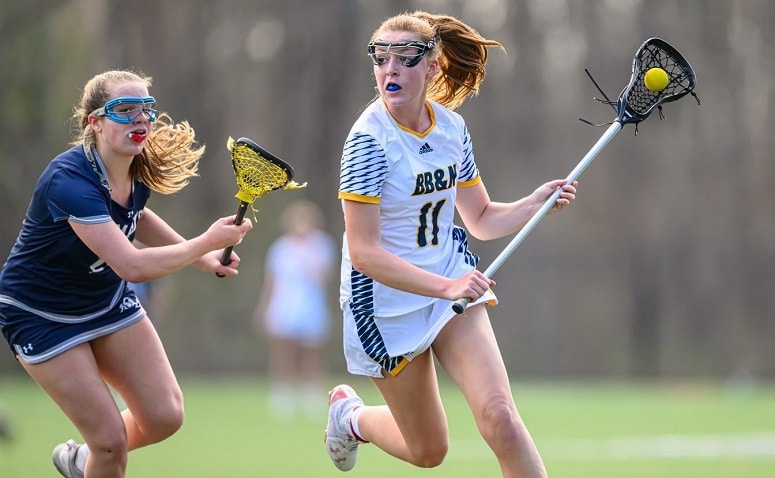
Madeline Egan’s journey into lacrosse began in her hometown of Charlestown, where she started playing in local leagues around the second or third grade. Her early experiences in town lacrosse were pivotal, providing her with a foundational love for the sport. By the third grade, Madeline joined the 3D club, marking her initial step into more competitive play. However, it was her transition to Mass Elite in the fourth grade that significantly shaped her lacrosse career. Mass Elite introduced her to high-level competition and a more structured training environment, which she continues to thrive in. These formative years were enriched by the friendships she formed and the competitive spirit fostered within the club. Madeline attributes much of her early passion for lacrosse to the camaraderie and support she found in her hometown leagues and club teams. These experiences not only developed her skills but also instilled a deep-seated love for the sport, which has been a driving force throughout her athletic career.
Psychological Approach: Analysis and Objectivity
Madeline’s mental preparation for lacrosse involves a blend of personal reflection, reviewing game film, and focusing on specific objectives for herself and her team. She emphasizes the importance of taking time for herself throughout the day to mentally prepare for games. This includes visualizing game scenarios and her role in them, which helps her build confidence and focus. Music plays a crucial part in her pre-game routine, as it helps her to concentrate and mentally rehearse her performance. Unlike some athletes who prefer to distract themselves from the pressure, Madeline faces it head-on by thinking about the game as much as possible. She also finds it beneficial to walk around the field, visualizing her opponents and planning her strategies. This thorough mental preparation ensures that she steps onto the field with a clear and focused mind, ready to perform at her best. Her approach highlights the significance of mental resilience and the ability to stay composed under pressure.
Physical Routine & Preparation: Individual and Team Training
Madeline’s physical training routine is rigorous and multifaceted, focusing on both individual skill development and team-oriented practice. She engages in club practices, individual training sessions, and small group drills. Being left-handed, Madeline naturally favors her left hand during gameplay. However, she dedicates equal training time to her right hand to ensure balanced skill development. Her individual sessions often involve practicing new moves, dodges, and shots, while team practices allow her to integrate these skills into a competitive setting. Madeline also emphasizes the importance of reviewing game film, particularly focusing on the positive plays to reinforce muscle memory and confidence. Additionally, she is disciplined about her diet, warm-ups, and recovery processes. Understanding her body’s signals and knowing when to rest is a crucial part of her routine to prevent injuries and maintain peak performance. This comprehensive approach to training underscores her commitment to excellence and her strategic focus on continuous improvement.
Key Takeaways: Being a Good Teammate
Beyond the obvious aspects of training and preparation, Madeline’s journey offers several unique insights into the life of a dedicated athlete. One of the most striking aspects is her ability to find positives in challenging situations, such as her experience with injury. When she tore her labrum, Madeline embraced a new role within her team, offering support and leadership from the sidelines. This adaptability not only helped her maintain her connection with the sport but also enhanced her leadership skills and perspective on teamwork. Moreover, Madeline’s emphasis on intrinsic motivation and playing for the love of the game is a valuable lesson for aspiring athletes. She advises young players to ensure their passion for the sport comes from within and not from external pressures. This mindset helps prevent burnout and fosters a sustainable and fulfilling athletic career. Her unselfish playstyle, focusing on making her teammates better, further highlights the importance of teamwork and the collective success over individual accolades. These elements of community involvement, resourcefulness, and personal resilience are what truly set her apart and provide invaluable lessons for others.
 AthleteBodyMind.com