Marc Albrechtskirchinger – Rower for 5th Fastest USA Youth Boat
Getting introduced to Rowing as a Kid
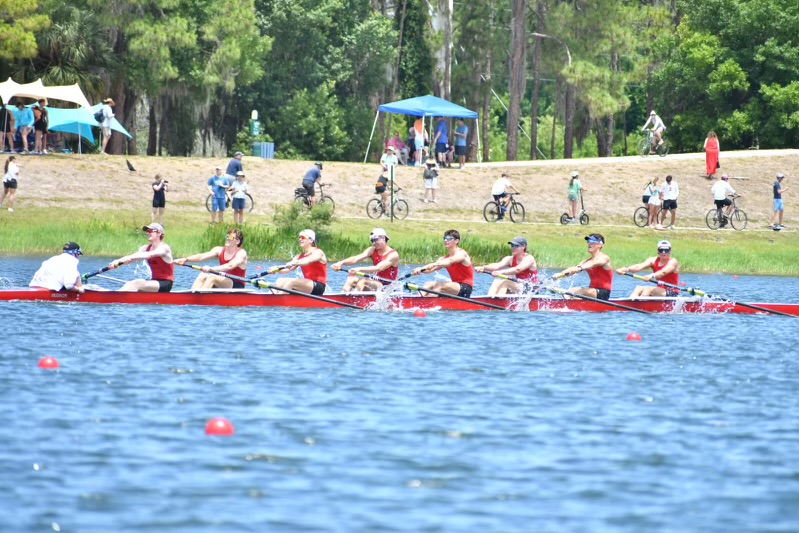
Marc Albrechts was introduced to rowing during middle school through a seasonal program at his old school, which provided a basic introduction to the sport. His older brother, who was already involved in rowing, played a significant role in persuading Marc to try out for the high school team. Despite initial reluctance, Marc’s strong athletic background, particularly his conditioning from other sports, allowed him to progress quickly. He started by joining the U17 team and soon advanced to the U19 team, which is the more competitive, varsity-level squad. By his sophomore summer, Marc had earned a spot on the top boat, a significant achievement in the rowing community. This rapid progression was facilitated by his prior experience as a multi-sport athlete, which gave him a solid foundation in fitness and discipline. Marc credits his swift advancement to his previous athletic conditioning and the motivation from his brother, highlighting the importance of family support and prior sports experience in his rowing journey.
Psychological Approach: Building Mental Toughness
Marc’s mental preparation for rowing is shaped by the sport’s intense physical and mental demands. Unlike other sports he has played, such as hockey where he was a goalie, rowing requires a unique mental toughness due to the grueling nature of the workouts. He emphasizes the importance of separating personal issues from workouts and focusing solely on the task at hand. This mental clarity helps him zone in and perform optimally during training and competitions. Marc finds that maintaining a calm and relaxed mindset, rather than hyping himself up with intense music, helps him manage pre-race nerves and perform better. He practices meditation and yoga after training sessions to address the mental challenges of rowing, helping him stay focused and composed. By creating a mental routine that involves visualization and relaxation techniques, Marc ensures that he approaches each race with a clear mind, ready to give his best performance. This approach underscores the significance of mental resilience and the ability to stay composed under pressure.
Physical Routine & Preparation: Olympic-Level Conditioning
Marc’s training regimen is comprehensive, especially during the winter when on-water practice is not possible. His routine includes training at different heart rate zones to build endurance and strength while preventing injuries. The heart rate zones he trains in are UT3, UT2, AT, and TR, each serving a specific purpose:
- UT3 (Utilization Zone 3): This is a very light training zone, typically used for active recovery and basic endurance building. Training in this zone helps Marc maintain a base level of cardiovascular fitness without putting too much strain on his body.
- UT2 (Utilization Zone 2): This is a steady-state training zone where the heart rate is moderate and sustainable over long periods. Activities like 10k runs or steady rowing sessions fall into this category. UT2 training is crucial for building aerobic capacity and endurance, forming the backbone of Marc’s conditioning.
- AT (Anaerobic Threshold): This zone involves higher intensity workouts that push the heart rate closer to its maximum. These sessions are designed to improve Marc’s ability to sustain high-intensity efforts for longer periods, enhancing his performance during the most demanding parts of a race.
- TR (Threshold Training): This is the highest intensity training zone, where Marc pushes his limits to improve his maximum power output and speed. These sessions are shorter but very demanding, helping him develop the explosive strength needed for sprints and high-speed rowing.
In addition to these heart rate-specific workouts, Marc’s regimen includes cross-training activities like running, erging, and biking to ensure a balanced fitness profile and prevent overuse injuries. His weekly training routine during peak seasons involves six days of team practices, supplemented by additional workout sessions totaling around 800 minutes per week. Recovery is an integral part of his routine, involving stretching, yoga, and proper nutrition to replenish the high calorie demands of rowing. Marc also emphasizes the importance of hydration and balanced meals to support his intense training schedule. This detailed approach to training highlights his commitment to maintaining peak physical condition and optimizing performance through a well-rounded regimen.
Key Takeaways: True Dedication to Self-Improvement
Marc’s dedication to rowing extends beyond physical training and mental preparation. One of the key takeaways from his journey is his willingness to make significant sacrifices for the sport. Unlike many of his peers, Marc has chosen to forego typical high school social experiences, such as parties, to focus on his training. This level of commitment and discipline is a testament to his passion for rowing and his desire to excel. Marc also emphasizes the importance of leadership and setting a positive example for his teammates. As a team captain, he leads by demonstrating toughness and resilience, ensuring that he inspires and supports his fellow rowers. His relationship with his coach, who combines accountability with personal connection, has also been instrumental in his development. Marc’s ability to balance intense training with proper recovery, avoid injuries, and maintain a focused mindset are key aspects that set him apart. His story underscores the value of hard work, sacrifice, and the importance of a supportive team environment in achieving success in rowing.
 AthleteBodyMind.com